SO WHAT IS ADAS?
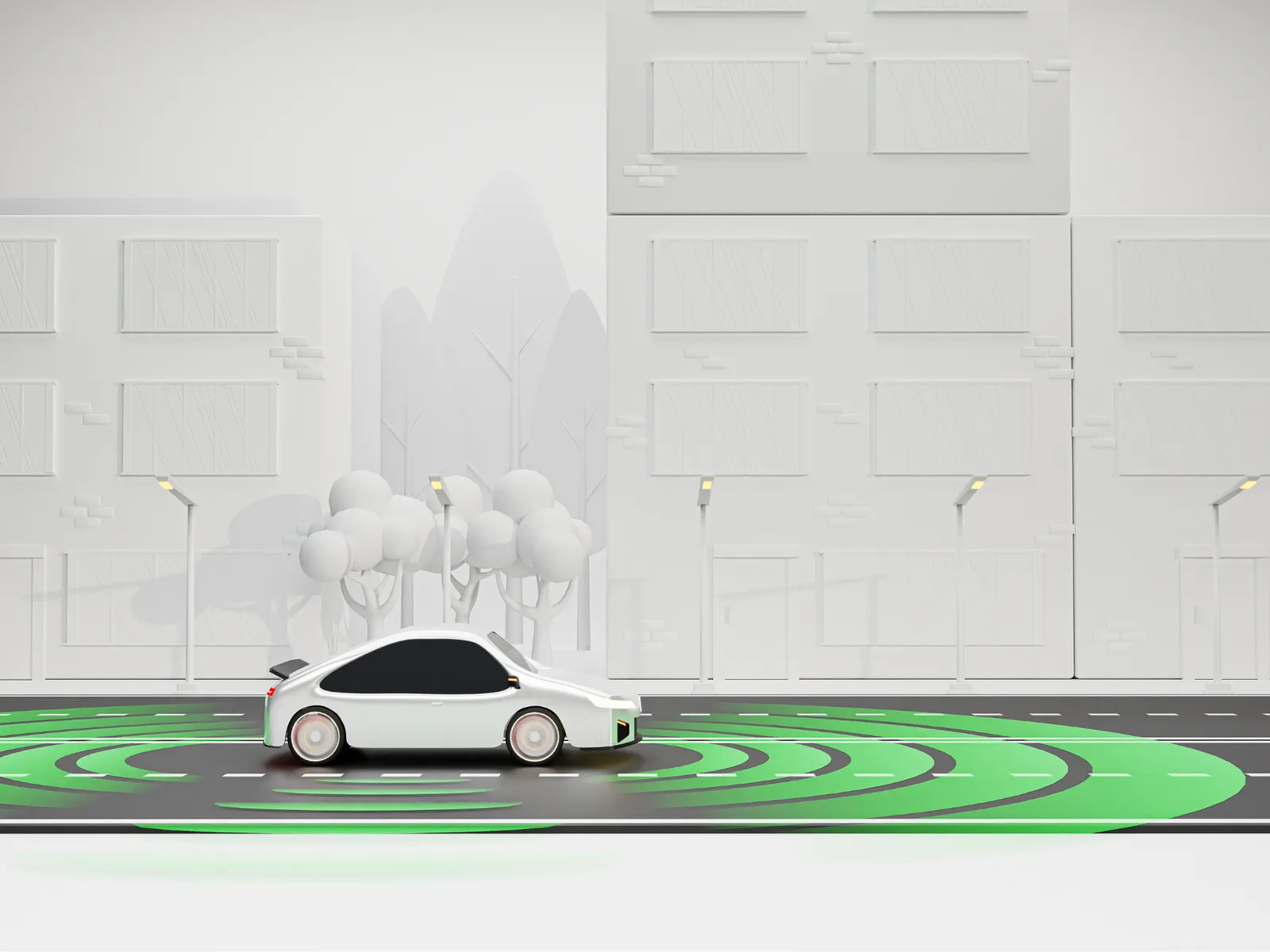
Advanced Driver-Assistance Systems or ADAS, are a family of safety systems designed to work together to automate and enhance vehicle safety.
Each system either alerts the driver to potential hazards, aids vision on the road ahead or can even step in to apply semi-autonomous emergency braking or steering.
The standard form of ADAS, often found fitted as standard to most modern vehicles consists of a radar device located in the centre of the lower front grille.
More sophisticated setups also employ a camera to read the road’s white lines in a system called Lane Assist or adjust headlamps so as not to dazzle oncoming traffic and place a light pattern on the road ahead.
WHY DOES IT NEED CALIBRATING?
ADAS systems rely on a combination of cameras and radars to work as intended. Following wheel alignment, windscreen replacement or any kind of collision, either major accident or even a minor kerb bump, the camera or radar device can become mis-aligned and this could have a significant impact on the functionality of an ADAS feature, which could be the difference between avoiding an accident or not.
insurers expect this to have been done after any repair that could affect it. Just like an MOT, that responsibility falls on the driver, not the garage.
In order to ensure a vehicle’s ADAS technology is working correctly, we strongly recommend getting an ADAS calibration after any of the following events
Radar/Camera replacement
Accident Damage (especially to the front or rear end of the vehicle)
Windscreen replacement
Suspension or Steering component replacement (such as coil springs, suspension arms)
Wheel Alignment Adjustments have been carried out
A vehicle will require ADAS recalibration if it has any of the following features:
Adaptive Cruise Control
Blind Spot Awareness
LED Matrix Headlights
Lane Change Assist
Autonomous Emergency Braking
Traffic Sign Recognition
This list is by no means exhaustive so please contact us and we can gladly inform you of the vehicles ADAS Calibration requirements.
Where to find us
Unit 52, Bolney Grange Business Park, Burgess Hill, Haywards Heath, RH17 5PB
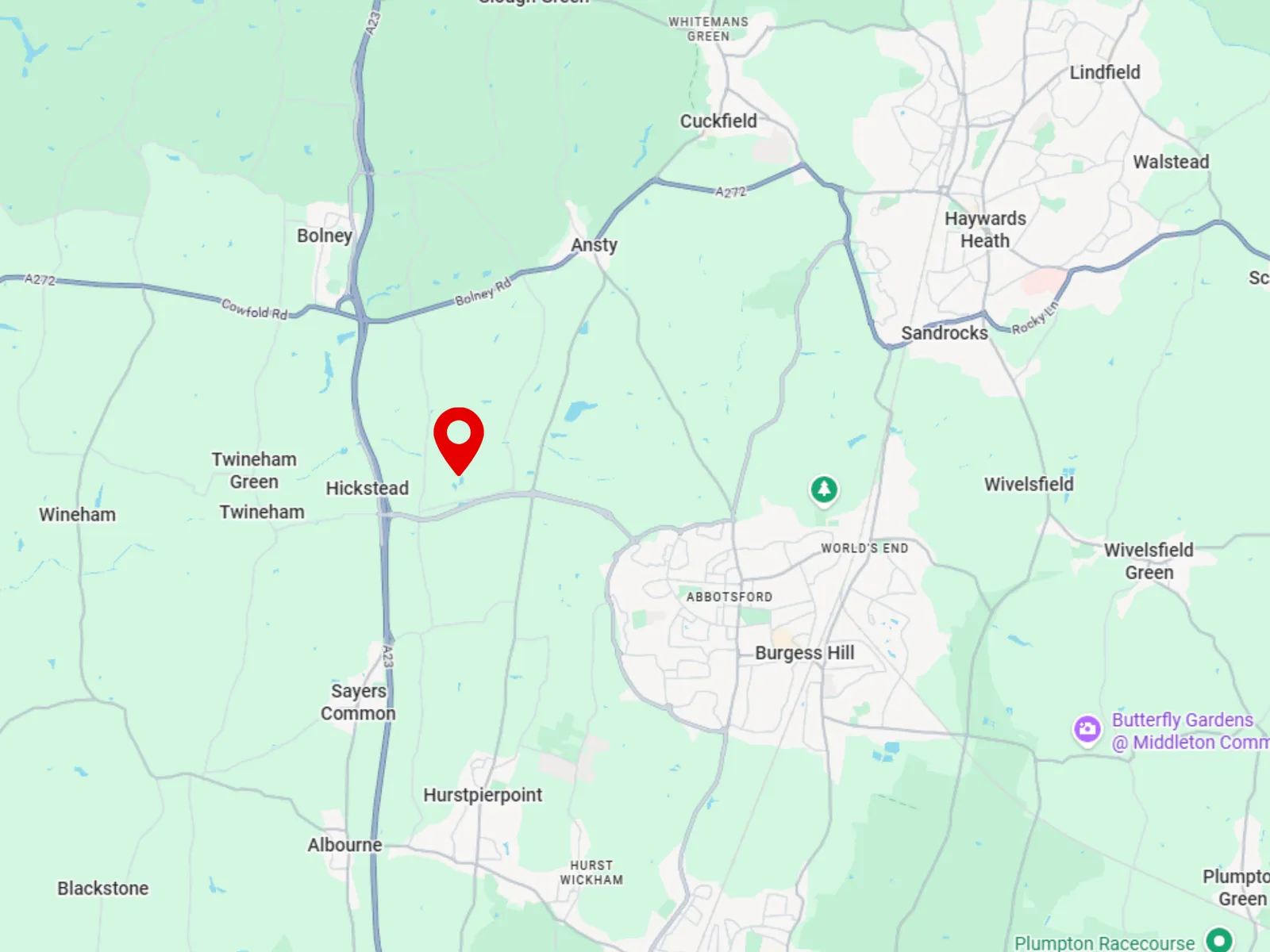
We are located just off the A23 at Bonlney Garage Business Park. After entering the estate, take your 2nd right for unit 52